Privacy

Tinder Launching Places, a New Feature to Track Where You’ve Been

Privacy
  • Monday, May 21 2018 @ 10:26 am
  • Contributed by:
  • Views: 1,202

Did you eat at a new neighborhood cafe for lunch? Do you want to share this over Tinder? There’s a new feature the dating app is testing called “Places,” which lets potential matches know where you’ve been.

Website The Verge broke the story with screenshots of the new feature, showing how GPS tracking can now be used as a way to connect with your dates. The idea behind Places is similar to dating app Happn, where users can see if they had any missed connections during the day, depending on where they’d been. Let’s say you stopped for morning coffee at your local shop and one of your potential matches also happened to be there. Places will alert you so that you can message your match to let her know you were there too, and start a conversation.
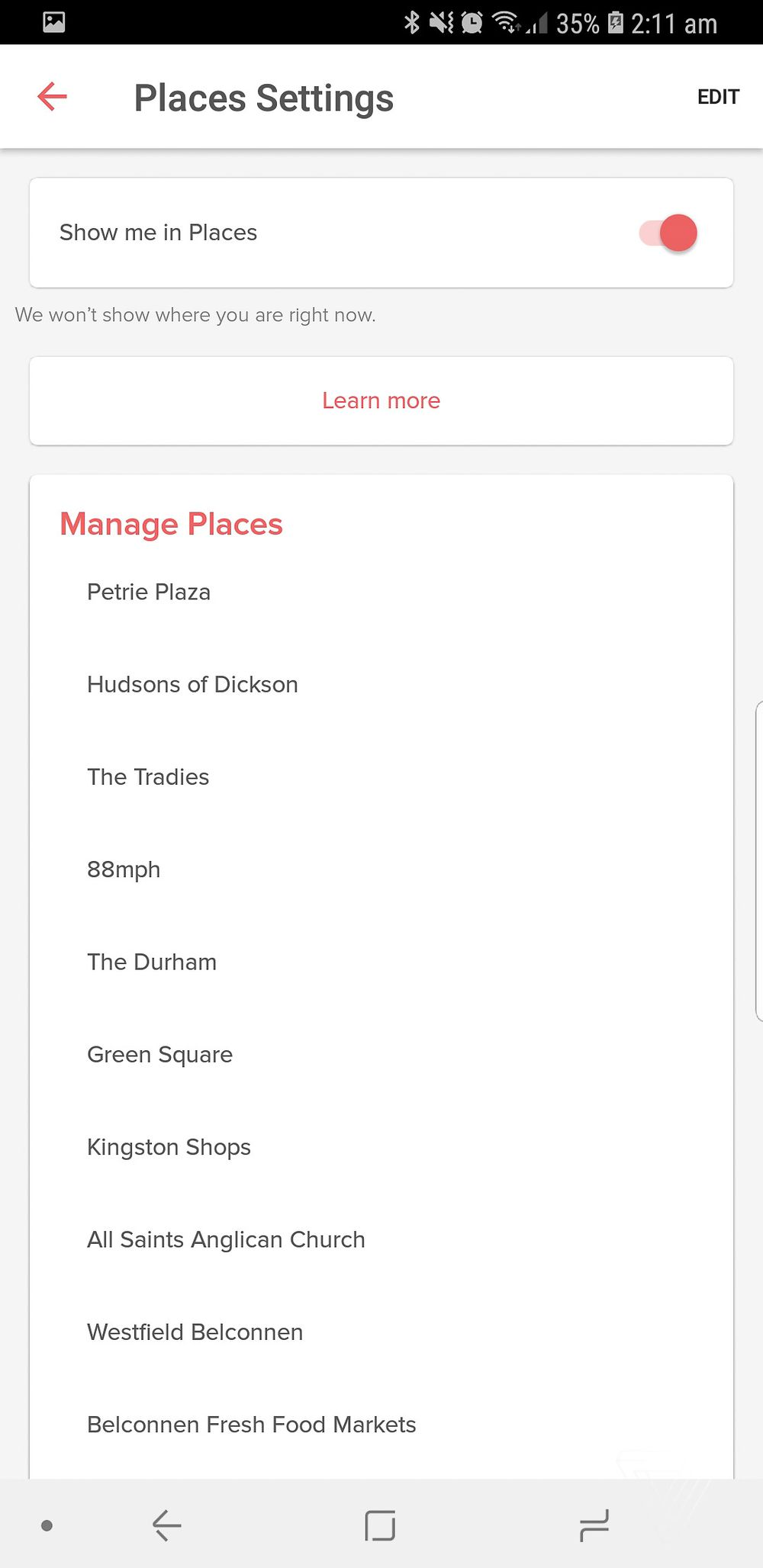
Manage your Tinder Places Settings
Image: Verge

A concerning issue with the new feature is that Tinder is in charge of documenting and revealing your locations to other users. Instead of allowing users to “check in” when they want to share their location, Tinder automatically chooses to reveal or hide the location. For example, you might go to your dentist appointment and then stop for coffee on the way back to work. Tinder won’t report that you’ve been to the dentist, but it might choose to reveal the coffee shop you visited.

Facebook Engineer Fired for Creepy Tinder Messages

Privacy
  • Thursday, May 10 2018 @ 11:30 am
  • Contributed by:
  • Views: 2,625

A Facebook engineer was fired for exploiting his position and access to personal information of Facebook users, according to website Tech Crunch. It’s reported that the firing resulted after the engineer’s messages with a match on Tinder were shared with company executives.

Over Twitter, Spyglass Security Founder Jackie Stokes revealed that someone she knew received “creepy messages” over Tinder, and she had confirmed it was an engineer employed by Facebook.

Stokes then posted a screenshot of the offender’s message, where he called himself a “professional stalker” and claimed to have access to the user’s personal data. He also shared private information about the user via their messages, information that she hadn’t shared publicly on social media.

Privacy Fears Renew After Deleted Match.com Profiles Mysteriously Reappear

Privacy
  • Thursday, May 03 2018 @ 11:51 am
  • Contributed by:
  • Views: 1,338

Halloween has come early for Match.com. The venerable dating site made headlines last week for an outbreak of zombies -- zombie profiles, that is.

A report from The Verge revealed that a glitch has resurrected an unknown number of deleted Match profiles from the dead. In an interview, former Match user Jason Debiak explained his surprise when, over breakfast with his wife and daughter, an email announcing 10 new matches on a decade-old, deactivated account appeared in his inbox.

“I log in, and there I am, from 15 years prior, with less gray hair,” he said. “And my whole profile is there, everything.”

Bumble Ditches Facebook Login Requirement Following Privacy Revelations

Privacy
  • Friday, April 27 2018 @ 12:16 pm
  • Contributed by:
  • Views: 1,635

In the wake of the Cambridge Analytica scandal, there are plenty of reasons to #DeleteFacebook, but dating app users found joining the movement wasn’t as simple as closing their accounts.

The omnipresent social media platform isn’t just your go-to for liking friends’ baby photos and stalking your high school crush. Facebook has evolved far beyond its initial purpose, and now, unless you love entering your email address and a new password at every opportunity, there’s a good chance your profile is integrated with many other services you use.

Cambridge Analytica whistleblower Christopher Wylie quickly noticed a problem. With his Facebook account deleted, he could no longer access Tinder. Mashable’s Rachel Thompson later confirmed that deleting Facebook blocks users from other apps that allow for log in with your Facebook credentials.

Grindr Security Flaw Exposes Users’ Restricted Profiles And Location Data

Privacy
  • Friday, April 13 2018 @ 09:22 am
  • Contributed by:
  • Views: 1,677
Grindr Security Flaw

The dating app world has once again been hit with a privacy scandal. DC-based developer Trevor Faden revealed a sweeping security flaw in Grindr’s code, a glitch he says has the potential to expose sensitive information of more than 3 million daily users.

According to Faden, Grindr attaches a list of restricted profiles to each user’s account to prevent the app from displaying a profile after the user has blocked them. The list would normally remain invisible, but a loophole makes it possible to retrieve the list from Grindr’s code, thereby granting someone access to the names of every account that has blocked them.

Faden launched a website tool called C*ckBlocked that allowed users to retrieve their blocked lists by entering their Grindr username and password. Nearly 50,000 signed up, and once they did so, Faden was able to gain access to a cache of other personal information that is not publicly available on Grindr profiles, including unread messages, email addresses, deleted photos, and location data -- even for users who opted out of making their location public.

Want to Delete Facebook? Here’s How It Might Impact Your Love Life

Privacy
  • Monday, April 09 2018 @ 09:13 am
  • Contributed by:
  • Views: 1,521

Facebook has come under fire, with many longtime users debating whether or not to delete their accounts, rather than make their personal information vulnerable to third parties. But something you might not have considered, brought to light by a reporter from Mashable, is how deleting Facebook might affect your love life.

Many dating apps rely on Facebook to verify profile information – that is, to make sure you really are a person and not a bot or an advertisement. With this in mind, many apps require that you use your Facebook account to login, including Tinder, Bumble, Hinge, and other really popular apps.

Research firm Cambridge Analytica was accused of hijacking data from 50 million Facebook users and using the data to influence the 2016 U.S. election. This information breach was made possible because Facebook relies on third parties for ad revenue, and also partners with research firms like Cambridge Analytica, which leaves its platform open to security problems. Facebook maintains it didn’t know about the information grab, though evidence has come to light via whistleblower Christopher Wylie, who developed the strategy for hijacking and using the data to create targeted political profiles of Americans.

Page navigation