Legal

FTC Suing Match Group for Hindering Its Investigation Into Biometric Data Sharing

Legal
  • Friday, June 24 2022 @ 12:13 pm
  • Contributed by:
  • Views: 1,007
Clarifai Website

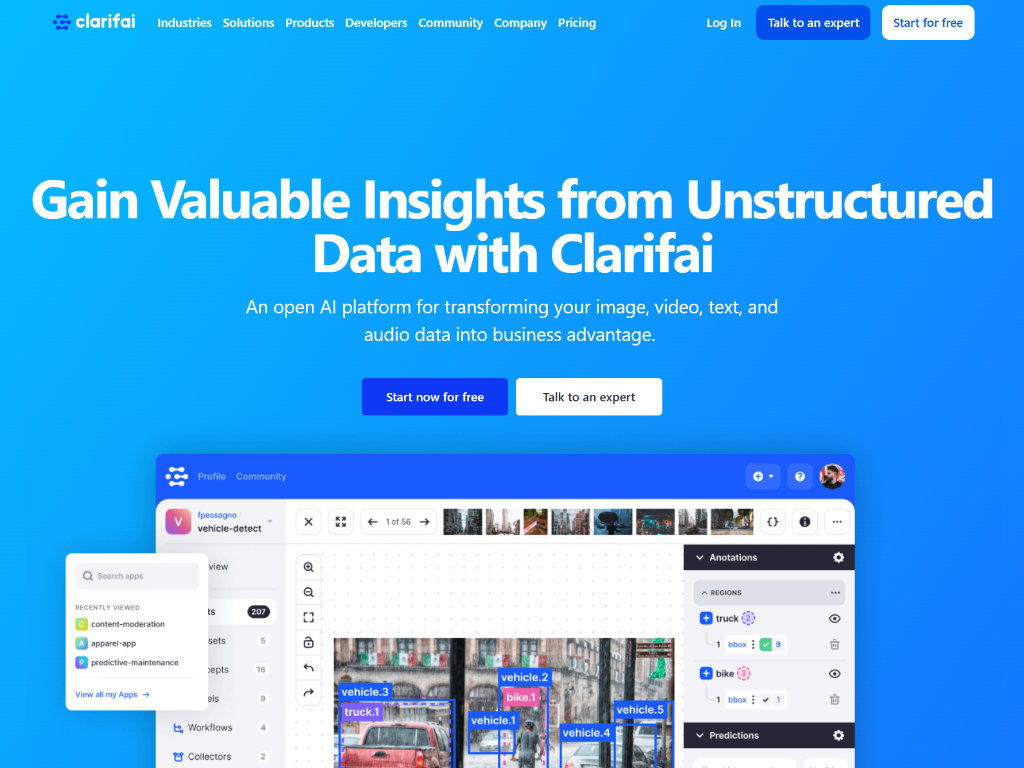
The FTC (Federal Trade Commission) is suing Match Group for hindering its investigation into OkCupid. The dating app, owned by Match, shared a user’s photo with facial recognition company Clarifai.

According to Bloomberg and BiometricUpdate.com, the FTC found that Clarifai was using the image without the user’s consent or knowledge, violating Illinois’ Biometric Information Privacy Act. The government agency also said that it filed the lawsuit because its investigation was being “stonewalled by Match Group.” OkCupid originally shared the image with the AI company back in 2014.

OkCupid user Jordan Stein, whose image was shared without her knowledge or consent, brought a lawsuit against Clarifai as a result, but in March of last year, a judge ruled that Clarifai could not be sued for violating Illinois’ law because it was out of its jurisdiction. 

Match Group Sues Google to Avoid Being Kicked Out of Play Store

Legal
  • Wednesday, June 01 2022 @ 09:52 am
  • Contributed by:
  • Views: 635

Match Group has sued Alphabet Inc.’s Google to avoid being kicked out of its Play Store. The dating app conglomerate has refused to pay the required 30 percent commission of its in-app sales to the tech giant. Match joined with other companies like Epic Games in fighting Google, citing its hold on app developers to prevent them from using third party payment systems.

Google said they will block downloads of Match’s dating apps starting June 1st if they don’t comply with Google’s contract and payment system and share the revenue from in-app sales, according to Reuters. Apple is fighting similar issues with Match Group in The Netherlands, where Dutch regulators have required Apple to allow third party payment platforms for dating apps. Apple has allowed third party providers but so far has not compromised on their commission, charging app developers 27 percent even if they use a third-party payment platform and not Apple’s. 

"These exorbitant 'fees' force developers to charge users more for their services and utilize resources they would otherwise invest in our employees, technologies, and user-requested features," Match Group said when it announced its lawsuit. "In addition, monopolizing the market for in-app payments will further cement Google's near-total control of the Android ecosystem."

Grindr Has Announced It Will Go Public 

Legal
  • Monday, May 30 2022 @ 06:54 am
  • Contributed by:
  • Views: 953

Dating app Grindr announced it will become a public company through a merger with Tiga Acquisition, and that the combined companies have been valued at $2.1 billion.

According to Bloomberg News, Tiga is a special acquisition company and isn’t offering any private investment in public equity (PIPE) deals but will provide Grindr with an estimated $384 million in cash proceeds, which includes $284 million of Tiga’s cash in trust plus up to $100 million in a forward purchase agreement. The company will use the funds to pay down debt and invest in future growth.

Grindr had several offers from other SPACs before merging with Tiga.

Dutch Regulators Reject Apple’s Latest Dating App Rules

Legal
  • Friday, May 27 2022 @ 08:35 am
  • Contributed by:
  • Views: 864

Regulators in The Netherlands have just rejected another rules revision from Apple regarding how it will manage third-party payment platforms for dating apps in its app store.

According to Apple Insider, The Authority for Consumers and Markets said that the changes Apple made in its latest rules submission in March were improved but still insufficient. In that revision, Apple had allowed dating apps to use third-party payment systems, but developers had to choose between either the third-party payment system or Apple’s system, not both. Apple also required that the apps would have to notify users that they would be using a system that Apple didn’t control. 

What continues to be a sticking point for the tech giant as well is the commission it charges all developers who place apps in the app store. Apple said that even if dating apps use a third-party payment system, they would still charge developers a 27 percent commission to be able to operate in the app store. (Currently, Apple charges a 30 percent commission to developers and all in-app payments must go through its app store.)

Dating App Users Want Digital Consent When Communicating with Matches

Legal
  • Thursday, May 19 2022 @ 08:08 am
  • Contributed by:
  • Views: 824
Women upset over Photo on Phone

Many dating app users have complained about getting unsolicited nude photos, and are now demanding digital consent before a communicating with a match.

Dating apps have been struggling with what to do about this issue for a while, but since the pandemic attracted many new users to dating apps, the problem has grown. According to The New York Post, A World Wide Web Foundation survey found that 52 percent of young women and girls said they had experienced online abuse, including threatening messages, sexual harassment and being sent lewd photos without consent. A whopping majority of 87 percent said they believe the issue is only getting worse. 

Dating app Bumble launched a feature called Private Detector to counteract this problem. Private Detector works with AI to detect when a nude photo is sent and blurs the picture before the recipient can see it, allowing them to block and report the user without having to see it first.

Match Group Wins Lawsuit Against MuzMatch

Legal
  • Monday, May 09 2022 @ 09:15 am
  • Contributed by:
  • Views: 924
MuzMatch Logo

Match Group has won the lawsuit it brought against dating app Muzmatch for trademark infringement violation.

According to The Guardian, the UK intellectual property and enterprise court ruled in favor of Match, which owns popular apps like Tinder and Hinge. Muzmatch, a niche dating app for Muslim singles, could now be forced to change its name or pay damages, according to The New York Times.

Match Group claimed in the lawsuit that consumers might think Muzmatch was a “sub-brand” of theirs targeting Muslim daters because of its name. Deputy high court judge Nicholas Caddick QC agreed, stating that using “match” in its name “would have led some consumers to assume that the goods and services offered by Muzmatch were somehow connected with or derived from Match,” according to The Guardian.

Page navigation